
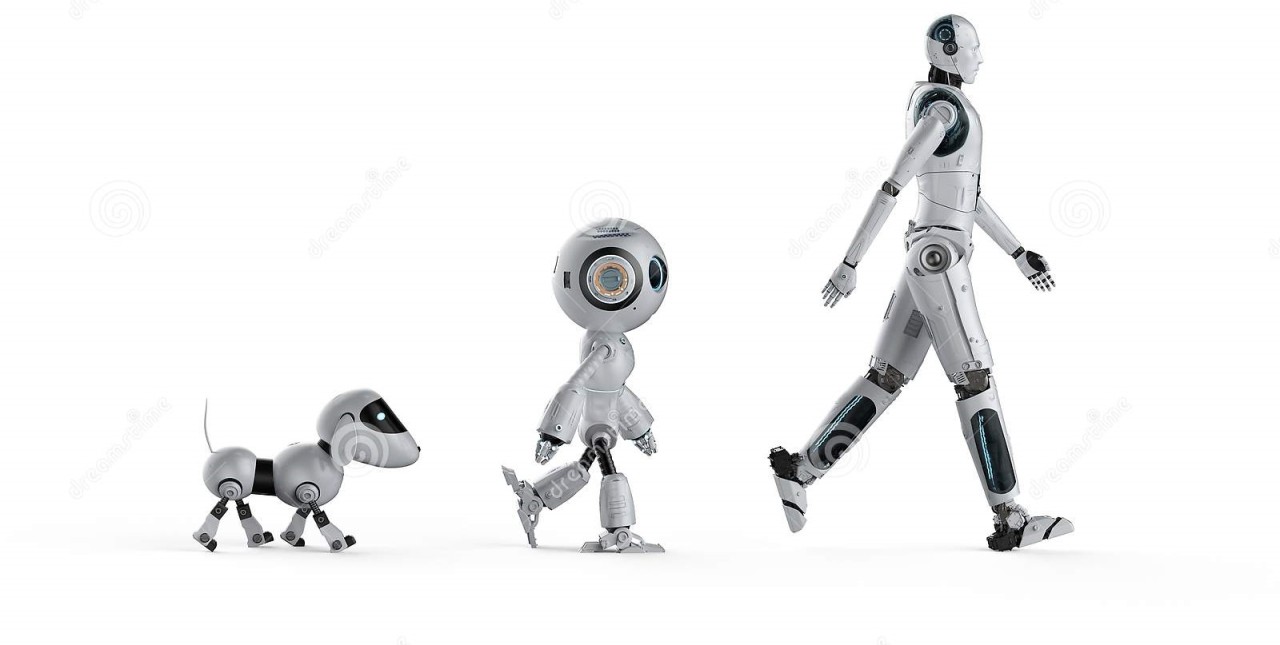
One of the fascinating things about the internet is how different the list of top internet properties today looks from the list 10 years back. It wasn’t as if those former top companies were self-satisfied – most of them built products in a crazy manner to avoid being displaced.
The reason that new big things sneak by position holders is the next big thing always begins being released as a “toy.” This is one of the main perceptions of Clay Christensen’s “disruptive technology” theory. This theory starts with the inspection that technologies usually get better faster than users’ needs increase. From this simple perception follows several interesting assumptions about how markets and products rotate over time.
Technologies are released as toys because when they’re first launched, they ignore user needs. For example, the first telephone could only transfer voices a mile or two. Western Union didn’t use phones because they didn’t see how useful it could be to railroads and businesses – who were their primary customers.
What they failed to foresee was how quickly infrastructure and telephone technology would improve. The case was the same with how major companies saw the PC, and how telecom companies saw Skype.
This doesn’t mean every product that seems like a toy will turn out to be the next big thing. To determine disruptive toys from those that will remain toys, products need to be looked at as processes.
Products improve as designers add features to them, however this is a comparatively weak force. External forces are much more powerful: microchips getting cheaper, mobile devices getting smarter, etc.
In order for a product to be disruptive it has to be designed to take these changes up the utility curve.
Social networks are an interesting example as the strongest factors of improvement are users’ actions.
A product doesn’t need to be disruptive to be valuable. There are plenty of products that are useful from day one and continue being useful long term. These are often referred to as “sustaining technologies”.
When startups build useful sustaining technologies, they’re usually copied by incumbents right away. Adjusting your timing will allow you to create an extremely successful business on the back of a sustaining technology.